
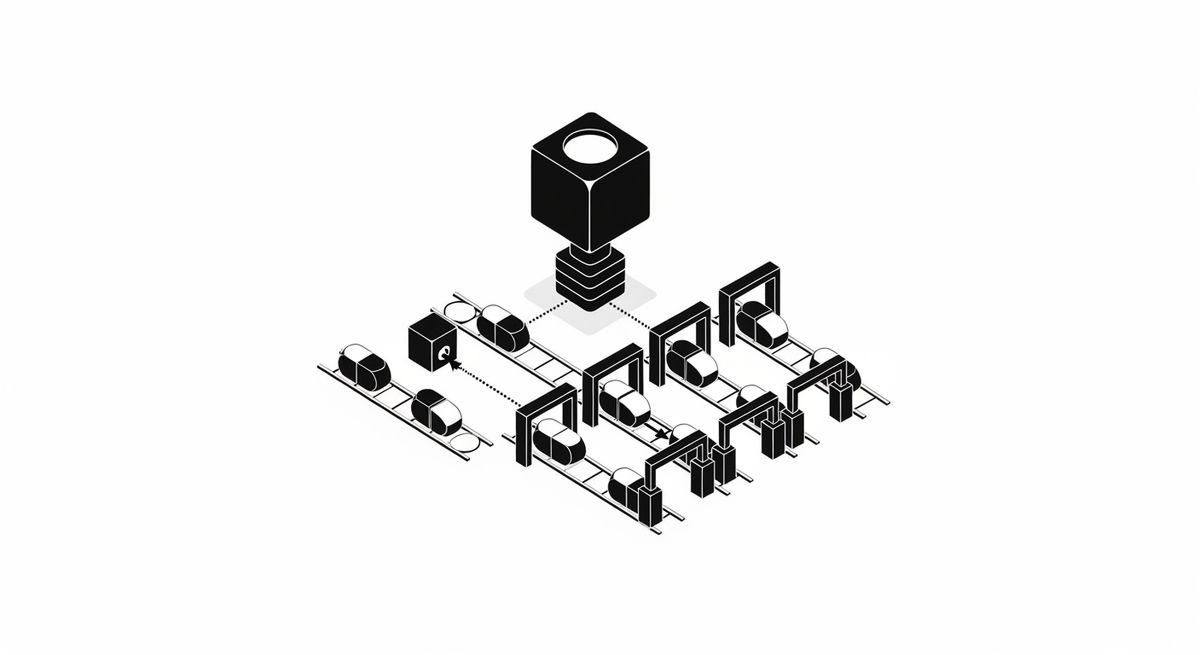
More Than a Name Change: The Evolution from Doppelganger to Figranium
If you’ve been following the project lately, you’ve noticed a significant change. As of yesterday, the project formerly known as Doppelganger has officially become Figranium.
Rebranding a project is a logistical headache, but staying under the old name was becoming a technical and branding debt that I could no longer ignore. This wasn't just about a fresh coat of paint; it was about aligning the identity of the software with the reality of what it has become.
Here is the deep dive into why "Doppelganger" had to go and what the shift to Figranium actually represents.
1. The SEO Nightmare#
When you name a project a common noun, you aren't just competing with other tech tools—you're competing with the entire English language.
The first page of search results for the old name was a mess of dictionary definitions, folklore about supernatural doubles, and "find your celebrity twin" apps. Unless I wanted to spend years fighting mythology for the top spot on Google, I needed a name that was unique from day one.
Figranium didn't exist until we made it. Now, when you search for it, you find the project—not a ghost story. This ensures that documentation, community forums, and GitHub repositories are the first things a user sees, not a Wikipedia entry on paranormal sightings.
2. Shaking the "Basic" Label#
The old name served its purpose in the early MVP stages, but as the tool evolved, it started to feel... basic. It lacked the weight and technical "crunch" of a serious automation engine.
As we push into v0.9, the project needs an identity that feels "tech-forward". Figranium sounds industrial, structured, and modern—exactly like the codebase it represents. It moves the project away from being perceived as a simple "copy" tool and establishes it as a robust piece of infrastructure designed for scale.
3. "Deterministic Control for an Agentic World"#
With this rebrand, we are also introducing our new tagline: Deterministic Control for an Agentic World. We are living in an era where AI agents are becoming the norm, and the ultimate goal is to make these agents truly autonomous. However, autonomy should never be synonymous with unpredictability. Figranium provides the specialized toolset required to bridge that gap.
This tagline represents our commitment to reliability. Whether you are using the new infinite canvas editor or complex multi-agent workflows, Figranium ensures that while the agent has the freedom to operate, the core infrastructure remains deterministic. You need to know exactly what is going to happen when a workflow triggers—total autonomy, zero surprises.
4. A Visual Overhaul: Form Meets Function#
Along with the name, the visual identity had to evolve. The old logo was busy, dated, and lacked a clear focus. It didn't represent the "material" feel of the software.
The new Figranium icon is a drastic shift toward a minimalist, high-contrast aesthetic. By moving to a bold, geometric, snowflake-like structure, we’ve created a mark that is instantly recognizable. It is designed to look at home in a high-density dashboard or a terminal window. This isn't just about looking "cool"; it's about a design language that emphasizes clarity and precision—the same values we bake into our code.
5. The "Suck" Factor of the Domain#
Let’s be honest: doppelgangerdev.com was a mouthful. It felt like a compromise. In the world of self-hosted software, your digital home should be punchy and professional.
Adding "dev" to the end of a long, existing word is a classic sign that you couldn't get the domain you actually wanted. Switching to Figranium allowed me to shed the fluff and secure a brand identity that stands on its own. It’s cleaner, easier to type, and professional enough to match the aspirations of the software.
6. Defining a Unique Aesthetic#
The old name was the opposite of unique. It’s a trope used in movies, books, and dozens of other small apps. When you tell someone what you're working on, you shouldn't have to spend two minutes explaining which version of a common word you're talking about.
Figranium gives us a clean slate. It allows for a monochrome, Material-inspired design language without the baggage of a name that people already have a preconceived notion about. We are building something specific, and now we finally have a name that reflects that specificity.
7. Why v0.9 Required a New Identity#
The move to v0.9 isn't just a minor update; it's a structural shift. We’ve introduced features that simply didn't fit the "basic" mold of the original project.
- The Infinite Canvas: A new way to visualize and control agent workflows without being restricted by traditional linear UI.
- Enhanced Determinism: Refined architecture that ensures multi-agent coordination stays within the bounds you set.
- Self-Hosted Superiority: Doubling down on the privacy and cost-efficiency of running your own automation stack.
8. Architectural Integrity#
A name like Figranium implies strength and structure. As we continue to build, we are focusing on "deterministic" software architecture to ensure reliability. This means avoiding the common pitfalls of cloud-based subscription models and ensuring that your automation works the same way every time it’s called. We are building for the long term, and a strong name is the first layer of that foundation.
Moving Forward#
Rebranding is more than just swapping a logo; it’s about aligning the identity of the project with the quality of the code. The old name was too limited for where this project is headed.
The transition is done. The v0.9 architecture is live. Now, we get back to building the future of deterministic automation.
Welcome to Figranium.